Jorge Yunes, LPC • 15 Years of Counseling Experience
Couples Therapy and Marriage Counseling in San Antonio
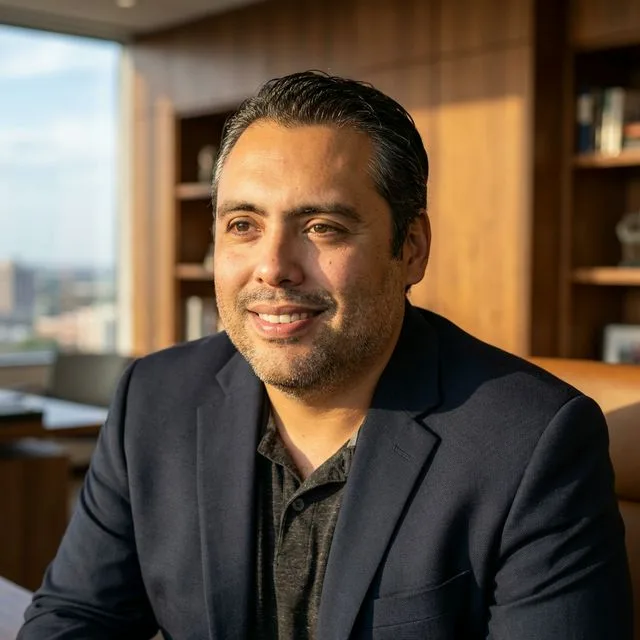
Jorge Yunes, LPC helps couples rebuild their relationships and also provides individual therapy for anxiety, trauma, ADHD, and autism life skills.
As a San Antonio therapist, I provide a calm, private place for individuals and couples to talk honestly about what is happening and what comes next. You do not need to have the right words before you reach out.
Free 15-minute phone consultation — no obligation.
Signs Therapy May Help
You discovered an affair, deception, or betrayal and do not know whether trust can be rebuilt.
You keep having the same fight, and every attempt to talk makes things worse.
One of you wants to save the marriage while the other is unsure whether they can stay.
You feel overwhelmed by racing thoughts, anxiety, or a persistent sense of emptiness and depression.
You are struggling with past trauma, feeling constantly on edge, or unable to move forward in life.
You are an adult navigating the neurodivergent challenges of ADHD or seeking autism life skills support.
How I Can Help
Marriage & Couples Counseling
Rebuild trust after an affair, stop having the same fight, and find a way back to each other.
Learn moreAnxiety & Depression
Stop letting your mind run your life and find relief from the overwhelming weight of exhaustion.
Learn moreTrauma & PTSD
Healing at your own pace in a safe environment, without being forced to relive the worst moments.
Learn moreADHD Therapy for Adults
Manage executive dysfunction and build systems designed for a neurodivergent mind.
Learn moreAutism Life Skills
Practical tools and strategies to navigate burnout, masking, and building a life that works for you.
Learn moreYou Never Thought You Would Need Marriage Counseling
Most people do not come to marriage counseling because things are merely "a little difficult."
They come because something has changed. Trust has been damaged. The distance has become unbearable. One person is pulling away. The other is scared they are about to lose everything.
You may not know whether you want to repair the marriage, separate, or simply make it through the next conversation without another blowup.
That is okay. You do not need to decide everything before the first appointment.
In-Person Therapy in San Antonio
Our comfortable, confidential office is conveniently located in San Antonio for in-person sessions. We provide a safe, welcoming space where you can focus on healing and growth.
Prefer to meet from home? We also offer secure online therapy for residents throughout Texas.
View Office & Get Directions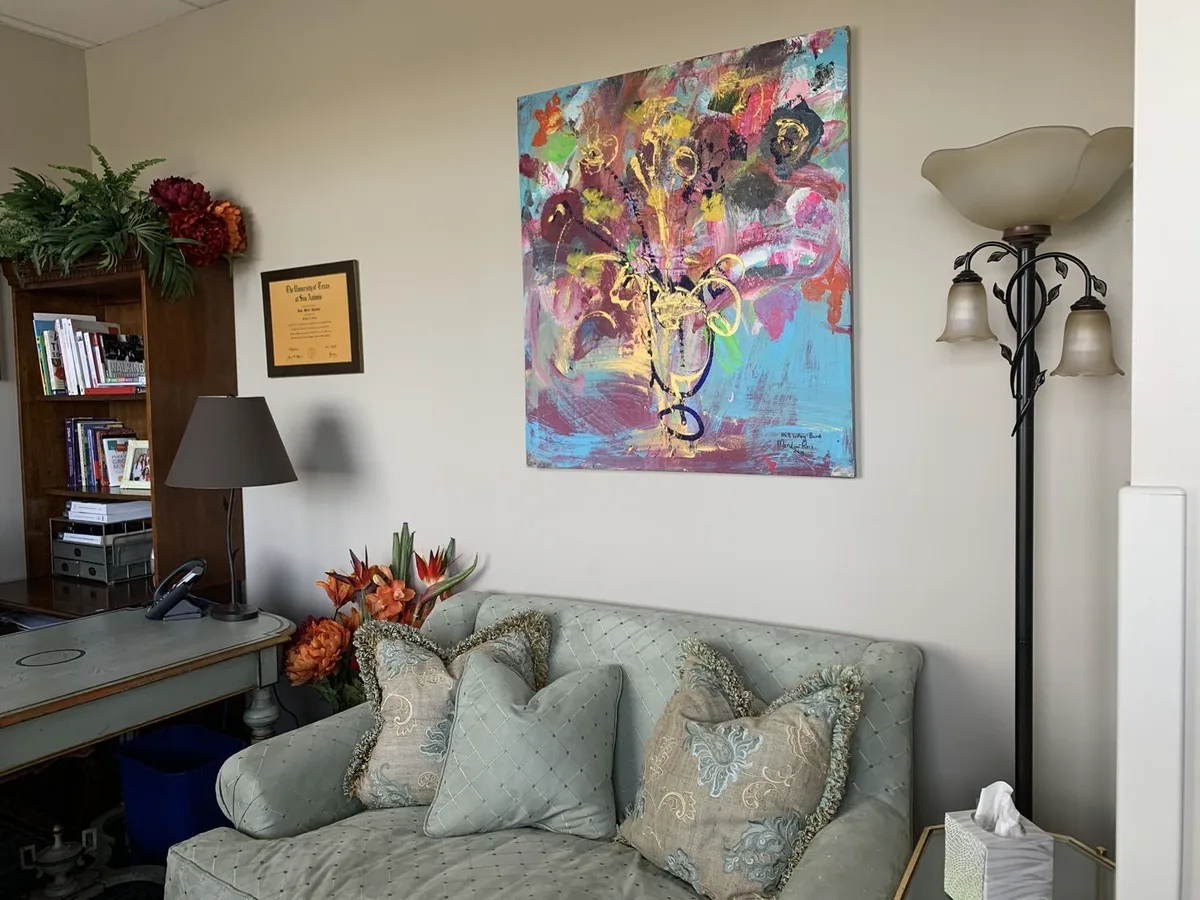

What It Is Like to Talk With Jorge
For 15 years, I have helped people work through painful, high-stakes relationship situations. You will not shock me. You will not be judged. You will not be expected to minimize what happened or pretend that everything is fine.
When you meet with me, you can expect:
- A calm, discreet place to say what has been difficult to say anywhere else.
- Help managing the anger, panic, grief, resentment, and fear that may be overwhelming both of you.
- Direct attention to the patterns that are keeping you stuck.
- Space for each person to be heard without me taking sides.
- Practical guidance for the conversations that currently feel impossible to have at home.
"My job is not to tell you whether to stay married or leave. My job is to help you slow the crisis down, understand what is happening, communicate more honestly, and make clearer decisions about what comes next."
Insurance and Payment Options
Cost shouldn't be the reason you wait to reach out.
In-network: I'm credentialed with Aetna, Blue Cross and Blue Shield of Texas, Cigna, Carelon Behavioral Health, and Providence Health Plan through Headway. (Telehealth clients: I'm also in-network with Independence Blue Cross Pennsylvania, Virtual Network.)
Out-of-network: If your plan isn't listed, you can still use your benefits. I partner with Mentaya to handle out-of-network reimbursement — I provide the superbill, Mentaya submits it to your insurer, and you get reimbursed directly. No paperwork on your end.
Your situation will be handled with care and discretion. Confidentiality and its legal limits will be explained clearly before treatment begins.
Prefer to talk? Call (210) 904-8665
Free 15-minute phone consultation — no obligation.
Important
This practice does not provide 24-hour emergency or crisis response. If there is immediate danger, call 911. For immediate emotional-crisis support, call or text 988.
What to Expect from Therapy
Direct. Precise. Often surprising.
Sessions are focused and purposeful. You'll be heard — but more importantly, you'll be shown something you haven't been able to see on your own. Something that changes how things land entirely.
What surprises most people is how quickly the relief arrives — and how naturally it stays. An anxiety loop or conflict pattern that has been painful for years can simply lose its grip, often sooner than expected.
And once that happens, the same things that would have derailed you or your relationship before no longer do. Your mind — and your connection with others — finally feel secure again.

Common Questions
Do you only see couples?
No, I also provide individual therapy.
While I specialize in couples counseling and infidelity recovery, a significant portion of my practice is dedicated to helping individuals navigate anxiety, depression, trauma, PTSD, life transitions, and ADHD.
Do you accept insurance?
Yes. I'm in-network with Aetna, Blue Cross and Blue Shield of Texas, Cigna, Carelon Behavioral Health, and Providence Health Plan through Headway. If your plan isn't listed, call and I can help you check your coverage or discuss out-of-network options.
What if my insurance isn't in-network?
You can still use your out-of-network benefits. I partner with Mentaya — I provide a superbill after each session, and Mentaya handles submitting it to your insurer and getting you reimbursed. There's no extra paperwork on your end.
What happens during the free consultation?
The free consultation is a brief 15-minute phone call — not a therapy session. We'll talk about what's bringing you in, answer any questions about insurance or fees, and see if we're a good fit to work together. There's no cost and no obligation to continue.
What if I feel (or we feel) like things are in crisis right now?
Whether you are coming in as an individual feeling completely overwhelmed, or a couple navigating a recent betrayal or explosive conflict, crisis is often what brings people to therapy.
Crisis does not mean you are broken or the relationship is over. It usually just means your current way of handling pain or stress is no longer working. Therapy gives you a structured place to slow things down, understand what is happening, and begin taking the next step with more clarity.
Do you work with infidelity?
Yes. Post-infidelity recovery is one of my specialties.
After betrayal, couples often feel trapped between wanting answers and not knowing how to talk about what happened without causing more damage. Therapy helps create a process for addressing the affair, understanding the impact, rebuilding emotional safety, and deciding what repair can look like.
How is this different from just talking to a friend?
Friends provide support, but they are naturally biased and often try to offer quick advice or fix the problem.
Therapy is a dedicated, confidential space focused entirely on you. I don't just listen—I actively help you identify the deeper patterns that keep you stuck, offering objective insights and evidence-based tools (like EFT and targeted cognitive therapies) to create lasting change, not just temporary relief.
How long will therapy take?
Therapy is not a lifelong commitment, nor is it a quick fix. My goal is to help you see real shifts as efficiently as possible.
For some, a few months of focused work is enough to process a specific trauma or navigate a life transition. For couples untangling years of conflict or betrayal, it often takes longer. We will regularly check in on your progress to ensure the work remains active and effective.
How do you treat trauma and PTSD?
Trauma is not just about what happened in the past—it’s about how your nervous system is reacting in the present.
I use trauma-informed, evidence-based approaches (including somatic processing and trauma-focused cognitive therapies) to help your mind and body process the memories so you no longer feel stuck in survival mode or triggered by the present.
Can therapy help me manage my ADHD?
Absolutely.
Living with ADHD often brings secondary challenges like anxiety, burnout, and feeling misunderstood by others. Therapy helps you build self-compassion, regulate your nervous system, and develop strategies that actually work for your brain, rather than trying to force neurotypical advice.
How do we know if this is right for us?
Whether you're coming in as an individual or a couple, therapy is a good fit if you are tired of being stuck in the same painful loops.
You do not need to be completely hopeful or have it all figured out before beginning. You just need enough willingness to show up and start looking at the pattern together.